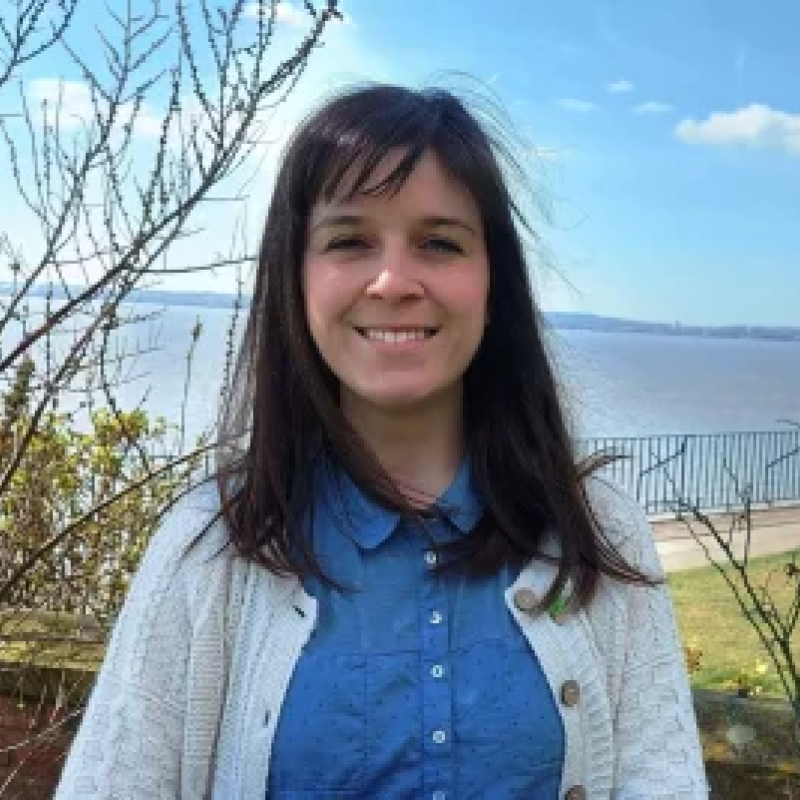
Professor Sarah Marie Hall
Political Economy Fellow 2019-23
Lived Experiences of Childbearing in Contemporary Austerity: Advancing Feminist, Geographical and Political Economy Approaches
Childbearing in austerity represents a considerable concern in contemporary Europe. The demographic and generational composition of society has huge implications for economic productivity, human rights, wellbeing, migration and social infrastructure. Recent reports from Eurostat (2013), European Commission (2013) and Eurofound (2014) identify an accelerated drop in birth rates across Europe following the Global Financial Crisis (2008-2010), especially in countries where austerity policies have been vigorously imposed, such as the UK. Despite these significant changes to contemporary family life, there remains a dearth of in-depth empirical research that investigates lived experiences of childbearing in presently austere times.
More informationResearch outcomes
From foreclosure to potentiality. Dialogues in Human Geography. https://doi.org/10.1177/20438206261424527
Austerity has its own life – here's how it lives on in future generations. The Conversation.
Running on empty: Austerity, rising costs of living and growing inequality for people and charitable organisations in Northern England.
A pregnant pause? Reproduction, waiting and silences in the relational endurance of austerity. Geoforum, 142, 103755.
Social reproduction, labour and austerity: Carrying the future. The Sociological Review, 71(1), 27-46.
The social life of crisis. ISRF Bulletin.
Reproduction, Life-course and Vital Conjunctures in the Context of Austerity. Medical Anthropology.
‘It died once at playgroup, I didn’t know what to do’: towards vital, vibrant, material geographies of the mobile phone in austerity. Social & Cultural Geography, 23(7), 972–989.
For feminist geographies of austerity. Progress in Human Geography, 46(2), 299-318.
Areas of interest
Cohort
Biography
Sarah's research sits in the broad field of geographical feminist political economy: understanding how socio-economic processes are shaped by gender relations, lived experience and social difference. Her research interests and contributions can be boiled down to three key areas: everyday life and economic change; social reproduction, care, ethics and consumption; and feminist praxis.
Biographical details correct as of 30.09.26